
Share on Facebook
Share on X
Share on LinkedIn
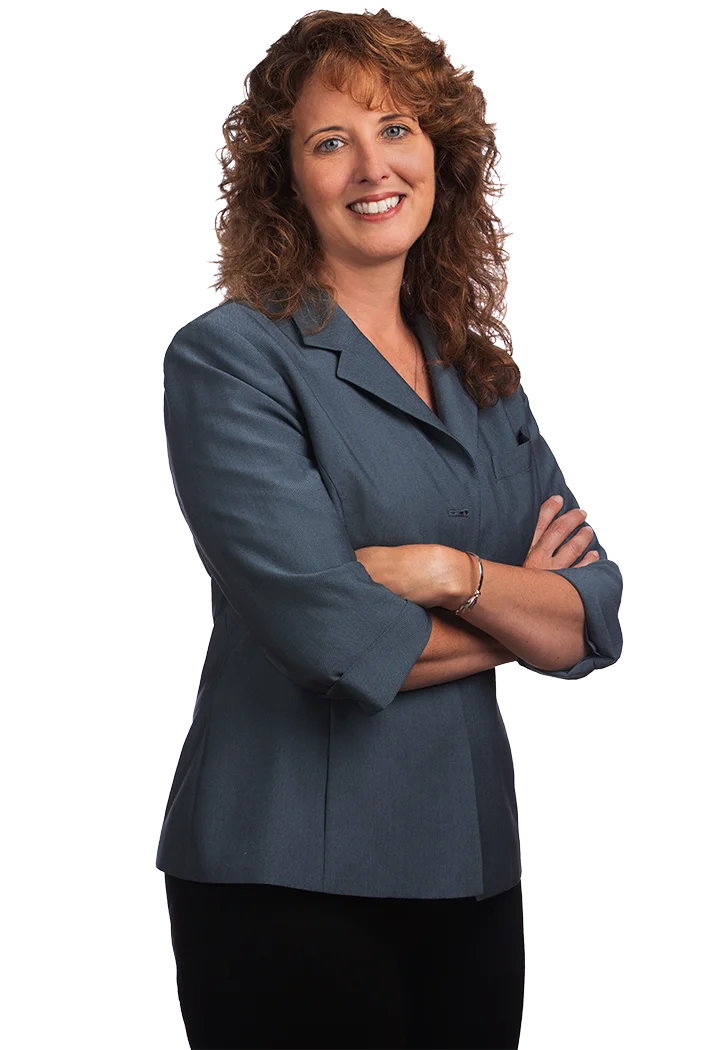
By Jennifer L. Zaparaskas
Trust Administration Manager

Choosing a trustee to manage a trust for a loved one with a disability is one of the most important decisions a family will make, and it’s hard to know what to ask. Here are 10 questions we recommend asking any trust administrator, along with how our trust department at Fletcher Tilton answers them.

1. How are distribution requests submitted, reviewed, and approved?

Every trust account is assigned a dedicated Trust Administrator (TA), who serves as the primary contact for the beneficiary and family and handles bill payment on the trust’s behalf. To request a distribution, simply send us a completed distribution request form, or the invoices that need to be paid, by mail or email. For Supplemental Needs Trusts, we typically pay vendors directly rather than distributing cash to the beneficiary.

2. How does the trust department communicate with the beneficiary and family?

The TA is the main point of contact. Beneficiaries, guardians, personal trustees, and family members are always welcome to reach out to the TA, the trustee, or our Trust Administration Manager. When appropriate, the TA will also contact the beneficiary’s support network to discuss the details of a request or to raise any concerns.

3. How quickly are requests handled, and what about urgent needs?

Most requests are processed the same day or within 24 business hours. Requests received before 11:30 a.m. can usually be handled the same day; those received later are generally processed the next business day.

A few situations may take slightly longer. If a distribution could affect the beneficiary’s government benefits, the TA will consult with the trustee before proceeding. If a large distribution requires selling investments to raise cash, please allow one additional day while the trade is placed. Because we prefer to pay vendors directly rather than distribute funds to the beneficiary or reimburse family members, an invoice may be needed to process payment.

4. How are responsibilities divided between Fletcher Tilton and a family co-trustee?

When a Fletcher Tilton attorney serves as Professional Trustee alongside a family member serving as Personal Trustee, the two work as a team. The family knows the beneficiary’s daily routines and needs best, so we rely on the Personal Trustee for that insight as we decide together which distributions are in the beneficiary’s best interest. The Professional Trustee is responsible for:

  • Administering the trust in accordance with the trust document
  • Working with the investment advisor on trust assets
  • Signing the annual tax return
  • Bill payment
  • General guidance on government benefits
  • Administrative support for the co-trustees and beneficiary

5. How are trust assets invested?

Fletcher Tilton partners with the Boston office of CAPTRUST (formerly Boston Financial Management). CAPTRUST provides ongoing investment guidance to our Investment Committee at its regular meetings and works directly with trustees on individual accounts. Each account’s investment strategy is tailored to the needs of its beneficiary.

6. How are taxes handled?

Most trusts must file a tax return each year. For trusts on which a Fletcher Tilton attorney serves as trustee, returns are prepared by Deloitte Tax LLP. The trust’s return often generates a Schedule K-1, which is issued to the beneficiary and must be included with the beneficiary’s own annual tax return.

7. What statements and reports will we receive?

Statements are issued to all trustees and grantors, as well as to the beneficiary or guardian, as appropriate. Statements can be delivered monthly, quarterly, or annually, by mail, electronically, or both.

8. Does the trust department help with budgeting, major purchases, housing, and long-term planning?

Yes. When a trust is funded, we gather as much information as possible about the beneficiary’s current and anticipated expenses. We then work with the beneficiary and family to plan which expenses will be paid from the beneficiary’s own income and which will be paid from the trust. Because needs change over time, we schedule regular meetings to update this information and plan ahead.

The TA also works directly with car dealerships, travel agents, college bursar’s offices, and others to assist with major purchases. When real estate is purchased as a trust asset, the TA is available to attend local home inspections and walk-throughs.

9. What ongoing fees should we expect?

Regular administrative costs include a trust administration fee, an investment advisory fee, and a tax preparation fee for the annual trust tax return. These fees cover bill payment and most other actions the TA and trustee take on behalf of the trust. Fletcher Tilton publishes its fee schedule each January.

10. What should families understand about working with a professional trustee?

The more we know about the beneficiary’s needs, the better we can serve them. We encourage the trust’s grantor to provide a letter for us to keep on file, outlining their expectations for how trust funds should be used once they are no longer able to care for their loved one. While the trust document sets out general terms, we want to know about any specific expenses the grantor would like paid, or any hobbies or educational pursuits they hope to support.

We also ask clients to complete the Fletcher Tilton Beneficiary Questionnaire. This important document helps the trustee and TA understand the beneficiary’s current and future needs, set realistic expectations for the trust’s assets, and avoid disruptions in administration.

Have questions about your family’s trust?
A well-administered trust gives families peace of mind that a loved one will be cared for today and for years to come. Whether you are planning a new special needs trust, considering a professional trustee, or have questions about an existing trust, our trust department is here to help. To learn more or to schedule a conversation, contact Fletcher Tilton at 508.459.8000.

About the Author
Jennifer Zaparaskas serves as Trust Administration Manager for Fletcher Tilton PC’s Trust and Estate Department, overseeing day-to-day operations including account onboarding, asset management, trade execution, bill payment, beneficiary distributions, and property management for real estate held in trust.
10 Questions to Ask About Special Needs Trust Administration – What families should know when working with a professional trustee for a special needs trust.
By Jennifer L. Zaparaskas
Trust Administration Manager

Choosing a trustee to manage a trust for a loved one with a disability is one of the most important decisions a family will make, and it’s hard to know what to ask. Here are 10 questions we recommend asking any trust administrator, along with how our trust department at Fletcher Tilton answers them.

1. How are distribution requests submitted, reviewed, and approved?

Every trust account is assigned a dedicated Trust Administrator (TA), who serves as the primary contact for the beneficiary and family and handles bill payment on the trust’s behalf. To request a distribution, simply send us a completed distribution request form, or the invoices that need to be paid, by mail or email. For Supplemental Needs Trusts, we typically pay vendors directly rather than distributing cash to the beneficiary.

2. How does the trust department communicate with the beneficiary and family?

The TA is the main point of contact. Beneficiaries, guardians, personal trustees, and family members are always welcome to reach out to the TA, the trustee, or our Trust Administration Manager. When appropriate, the TA will also contact the beneficiary’s support network to discuss the details of a request or to raise any concerns.

3. How quickly are requests handled, and what about urgent needs?

Most requests are processed the same day or within 24 business hours. Requests received before 11:30 a.m. can usually be handled the same day; those received later are generally processed the next business day.

A few situations may take slightly longer. If a distribution could affect the beneficiary’s government benefits, the TA will consult with the trustee before proceeding. If a large distribution requires selling investments to raise cash, please allow one additional day while the trade is placed. Because we prefer to pay vendors directly rather than distribute funds to the beneficiary or reimburse family members, an invoice may be needed to process payment.

4. How are responsibilities divided between Fletcher Tilton and a family co-trustee?

When a Fletcher Tilton attorney serves as Professional Trustee alongside a family member serving as Personal Trustee, the two work as a team. The family knows the beneficiary’s daily routines and needs best, so we rely on the Personal Trustee for that insight as we decide together which distributions are in the beneficiary’s best interest. The Professional Trustee is responsible for:

  • Administering the trust in accordance with the trust document
  • Working with the investment advisor on trust assets
  • Signing the annual tax return
  • Bill payment
  • General guidance on government benefits
  • Administrative support for the co-trustees and beneficiary

5. How are trust assets invested?

Fletcher Tilton partners with the Boston office of CAPTRUST (formerly Boston Financial Management). CAPTRUST provides ongoing investment guidance to our Investment Committee at its regular meetings and works directly with trustees on individual accounts. Each account’s investment strategy is tailored to the needs of its beneficiary.

6. How are taxes handled?

Most trusts must file a tax return each year. For trusts on which a Fletcher Tilton attorney serves as trustee, returns are prepared by Deloitte Tax LLP. The trust’s return often generates a Schedule K-1, which is issued to the beneficiary and must be included with the beneficiary’s own annual tax return.

7. What statements and reports will we receive?

Statements are issued to all trustees and grantors, as well as to the beneficiary or guardian, as appropriate. Statements can be delivered monthly, quarterly, or annually, by mail, electronically, or both.

8. Does the trust department help with budgeting, major purchases, housing, and long-term planning?

Yes. When a trust is funded, we gather as much information as possible about the beneficiary’s current and anticipated expenses. We then work with the beneficiary and family to plan which expenses will be paid from the beneficiary’s own income and which will be paid from the trust. Because needs change over time, we schedule regular meetings to update this information and plan ahead.

The TA also works directly with car dealerships, travel agents, college bursar’s offices, and others to assist with major purchases. When real estate is purchased as a trust asset, the TA is available to attend local home inspections and walk-throughs.

9. What ongoing fees should we expect?

Regular administrative costs include a trust administration fee, an investment advisory fee, and a tax preparation fee for the annual trust tax return. These fees cover bill payment and most other actions the TA and trustee take on behalf of the trust. Fletcher Tilton publishes its fee schedule each January.

10. What should families understand about working with a professional trustee?

The more we know about the beneficiary’s needs, the better we can serve them. We encourage the trust’s grantor to provide a letter for us to keep on file, outlining their expectations for how trust funds should be used once they are no longer able to care for their loved one. While the trust document sets out general terms, we want to know about any specific expenses the grantor would like paid, or any hobbies or educational pursuits they hope to support.

We also ask clients to complete the Fletcher Tilton Beneficiary Questionnaire. This important document helps the trustee and TA understand the beneficiary’s current and future needs, set realistic expectations for the trust’s assets, and avoid disruptions in administration.

Have questions about your family’s trust?
A well-administered trust gives families peace of mind that a loved one will be cared for today and for years to come. Whether you are planning a new special needs trust, considering a professional trustee, or have questions about an existing trust, our trust department is here to help. To learn more or to schedule a conversation, contact Fletcher Tilton at 508.459.8000.

About the Author
Jennifer Zaparaskas serves as Trust Administration Manager for Fletcher Tilton PC’s Trust and Estate Department, overseeing day-to-day operations including account onboarding, asset management, trade execution, bill payment, beneficiary distributions, and property management for real estate held in trust.